Network printer connection states
A layered vocabulary for discovery, addressing, protocol sessions, queues, and network printer state.
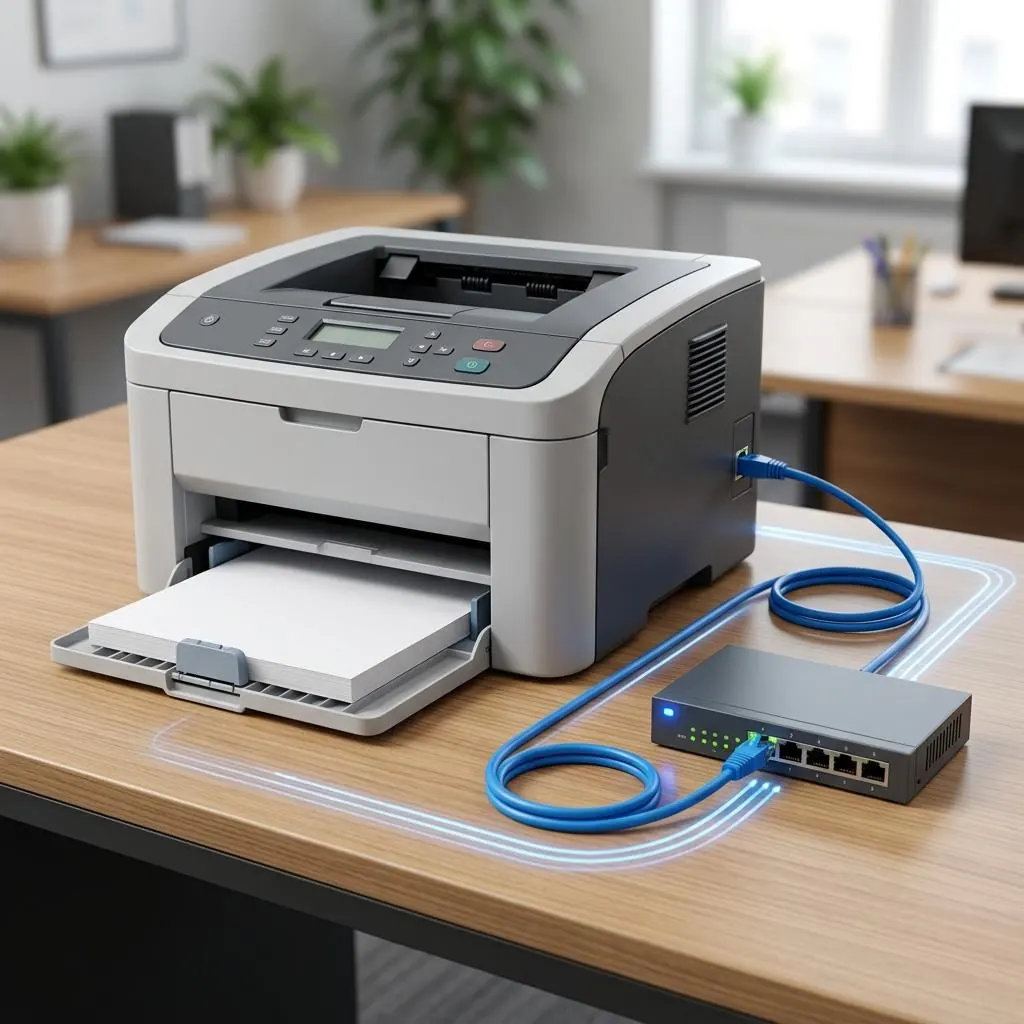
Connection is not one state machine
A network printer can have separate states for discovery, address resolution, transport reachability, print-protocol session, queue association, and device status. A label from one layer should not be used as a verdict about all the others.
Endpoint and product identity
An endpoint address identifies a destination at a moment in time. Product identity, model metadata, and package association identify what the host believes that destination represents. They can change independently and should be recorded separately.
Queue and protocol relationship
A queue can exist before a protocol session is active, and a discovered service can exist before a queue is associated. These are normal distinctions in a layered model, not interchangeable descriptions of a printer.
State evidence
A useful state record names the emitting component, protocol or transport, endpoint identity, queue, and timestamp supplied by the source record. This page defines vocabulary without offering a network procedure, scan, or diagnosis.
Reference facts
- Layers
- Discovery, address, transport, protocol, queue, and device status
- Identity rule
- Endpoint address and printer model are separate records
- State method
- Name the component that emitted each status
Questions and answers
Does discovery mean the printer is ready for printing?
No. Discovery identifies a service; protocol, queue, package, and device states remain separate.
Can an endpoint address change without a new printer model?
Yes. Addressing and product identity are different layers.