Display driver rollback lifecycle
How rollback describes an earlier graphics package relationship without implying a reset of the display stack or hardware.
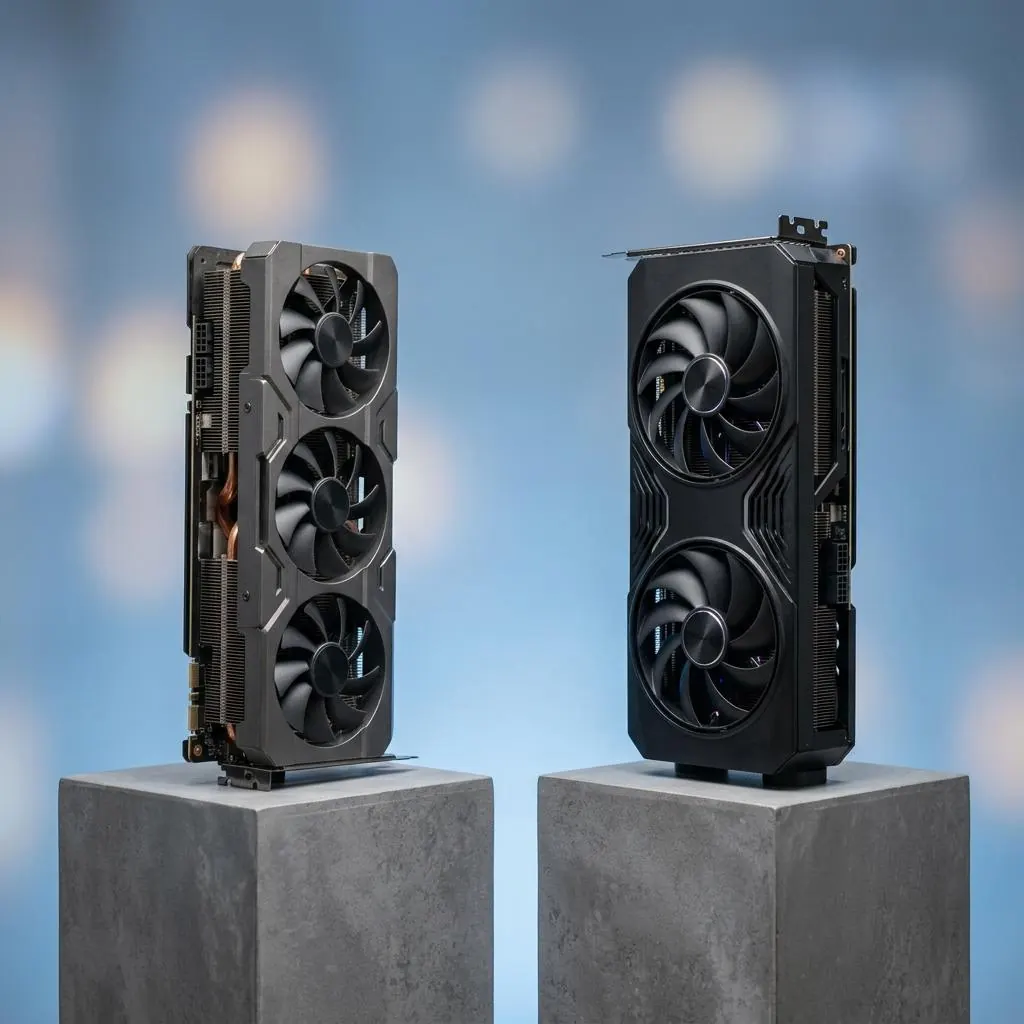
Rollback has a package direction
Rollback describes a transition toward an earlier selected graphics package or component record when that record is retained or otherwise represented. It is not a universal reset of display modes, monitor settings, firmware, or application state.
Retention is evidence of history
Package management can preserve package files, metadata, ranking information, and installation history. Those retained records support lifecycle concepts but do not establish that an older package is active or that it matches every current display relationship.
Graphics components can diverge
Kernel-mode, user-mode, control-plane, display miniport, and monitor-related components can have separate records. An earlier record for one component does not automatically describe every part of the graphics and display stack.
Runtime state remains local
Adapter activation, monitor detection, mode enumeration, display path, and presentation each have their own boundaries. A rollback reference uses package and component nouns rather than treating the word as a conclusion about a complete visual state.
Reference facts
- Rollback object
- An earlier selected graphics package or component record
- Retained information
- Files, metadata, ranking, and installation history
- Independent layers
- Adapter, display, monitor, mode, and presentation runtime
Questions and answers
Does rollback restore an earlier monitor mode?
Not by definition. Package lifecycle and mode selection are separate records.
Is an older package always available for rollback?
That depends on package and installation records; the term itself does not establish availability.
Does rollback include GPU firmware?
No. Host packages and device firmware have separate lifecycles.