Graphics driver package replacement lifecycle
How a graphics package replacement relates to adapter identity, display paths, package records, and runtime activation.
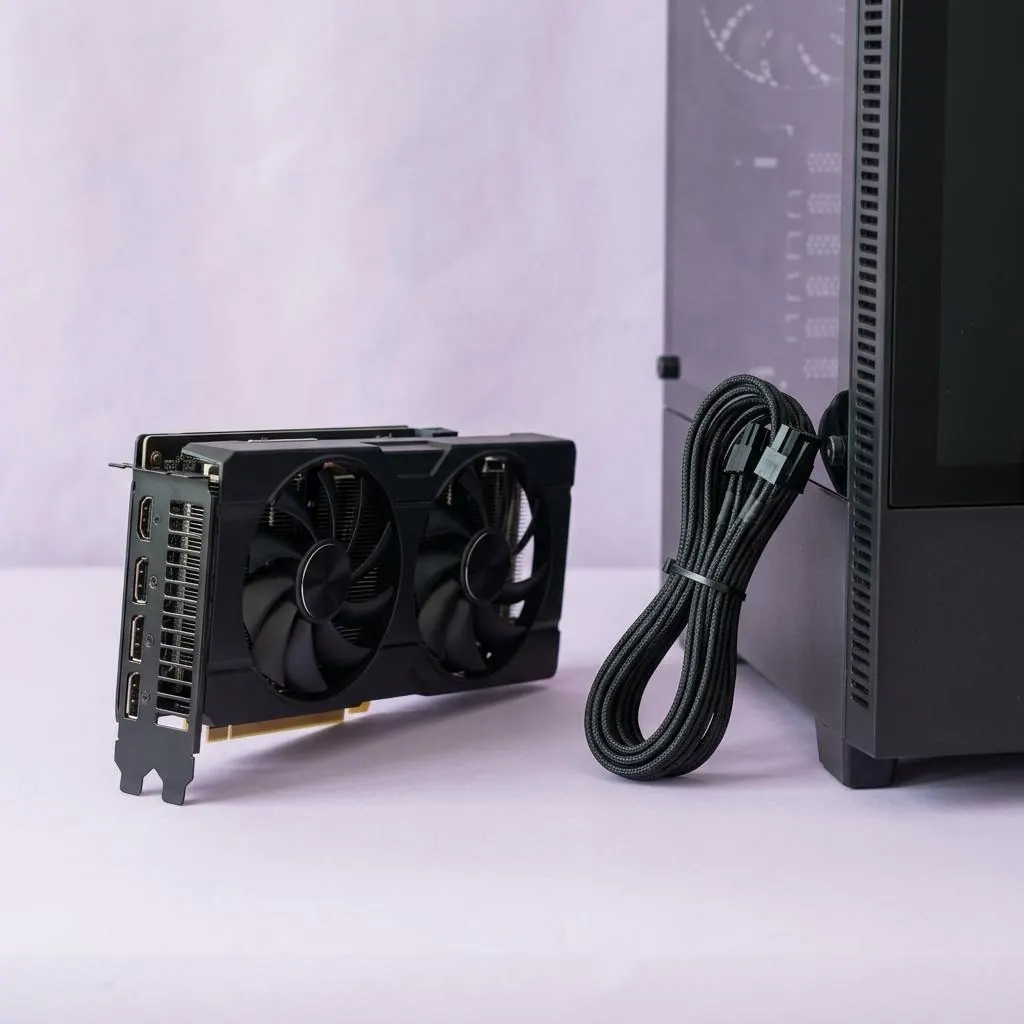
Replacement concerns host software
Graphics package replacement is a transition between package records associated with an adapter or display component. It does not change the physical GPU, monitor panel, cable, or device firmware merely because the host package relationship changes.
Packages can be composite
A graphics package can contain kernel and user-mode components, control-plane services, installation metadata, catalogs, and extensions. Replacement language is meaningful only when the included component set and hardware scope are clear.
Display representation can persist
Monitor identity and display paths are represented through graphics runtime and capability records that can outlive a package transition. A stable monitor name does not prove a stable package, and a changed package does not prove a changed physical path.
Activation follows selection
Available, matched, selected, staged, and active are separate package states. Display mode enumeration and presentation are additional runtime boundaries. A replacement reference describes those relationships without promising a visual or performance outcome.
Reference facts
- Replacement object
- Graphics package or coordinated component set
- Composite roles
- Kernel, user-mode, service, metadata, catalog, and extension
- Independent records
- Adapter, monitor, path, mode, and presentation state
Questions and answers
Does package replacement change the monitor hardware?
No. Host package identity and physical display identity are separate.
Are all graphics package files replaced at once?
Package components can have different roles and lifecycles; the documented package scope determines what is replaced.
Is a replaced package automatically active?
No. Selection, staging, activation, and runtime use are distinct states.