Graphics driver update state reference
The candidate, selected, staged, active, and display-path states that can surround a graphics package transition.
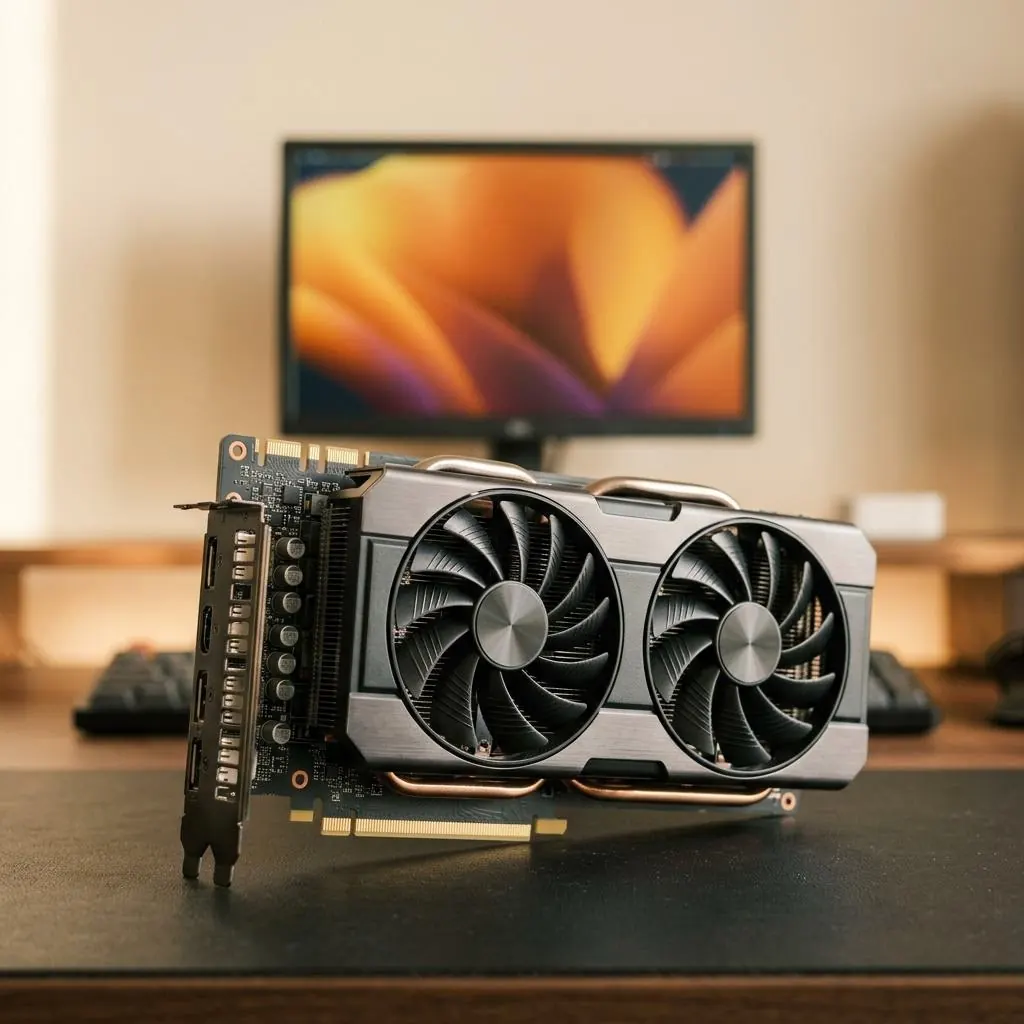
Candidate and selection
A graphics update starts as a package record with adapter identifiers, hardware scope, architecture, version, and trust metadata. Matching and ranking identify a candidate under package rules. A candidate or selected package is not yet proof of a loaded component or active display path.
Staging and activation
Package staging establishes files and metadata in a managed arrangement. Activation connects runtime graphics components to the adapter and display subsystem. These transitions can be observed separately because package management and graphics runtime have different owners.
Display paths can be republished
A graphics component can enumerate monitors, modes, connectors, and capabilities as part of its runtime relationship. Those display records can change independently of package version, and a package transition can leave a monitor identity or mode record stable.
State language is deliberately narrow
Available, matched, selected, staged, active, detected, and presented describe different boundaries. A state reference uses those terms to explain records, not to infer a cause, promise a visual result, or prescribe an action.
Reference facts
- Package states
- Candidate, matched, selected, staged, and active
- Display records
- Monitor, connector, mode, capability, and presentation state
- Owners
- Package management and graphics runtime have separate records
Questions and answers
Does an available graphics package drive the monitor?
No. Availability and runtime activation are separate states.
Can monitor identity remain stable after a graphics package change?
Yes. Monitor identification and package identity are distinct records.
Is an update state a performance claim?
No. It describes a lifecycle record without promising speed, frame rate, or visual quality.