Graphics driver package removal lifecycle
The relationship among display package removal, retained files, device identity, and graphics runtime state.
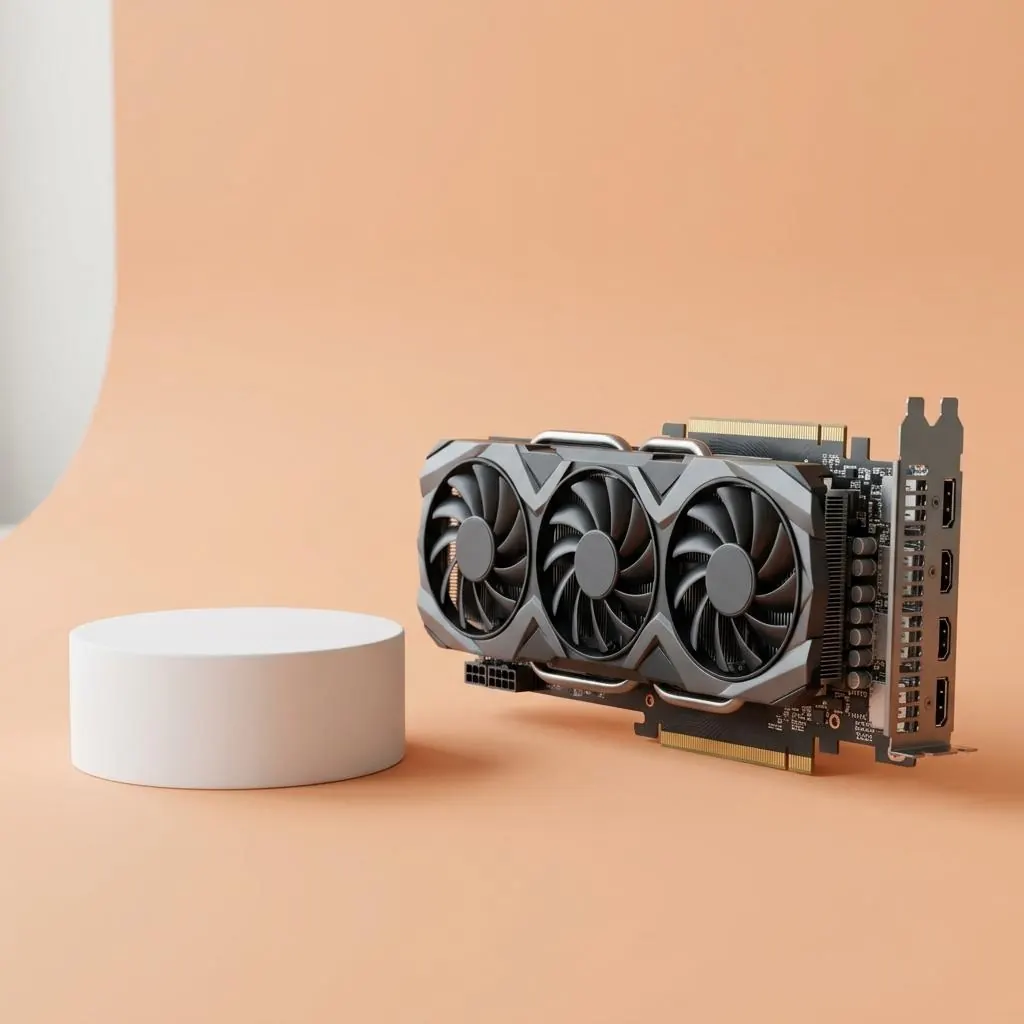
Removal is not hardware disappearance
A graphics package is host software and metadata associated with a device relationship. Removing or changing that relationship does not remove the physical GPU, monitor, connector, or device-resident firmware. Those objects retain separate identities and lifecycles.
Package stores and runtime differ
Package stores can contain files and metadata for managed installation, while graphics runtime components expose adapter and display interfaces. A removal record may affect one store or relationship without describing every runtime or historical record.
Display paths have their own records
Monitor identification, connector representation, mode lists, and presentation state are assembled by the display subsystem. Those records can be rebuilt or retained independently of package identity. Their state does not directly reveal which file was removed.
Read the lifecycle by owner
Terms such as removed, staged, active, detected, and presented answer different questions. A descriptive reference keeps those terms local to package, device, adapter, monitor, or runtime records instead of treating removal as a universal reset.
Reference facts
- Removal object
- Package, component, service, or device relationship
- Separate objects
- GPU, monitor, connector, firmware, and runtime display path
- Record owners
- Package store, device model, and graphics runtime
Questions and answers
Does uninstalling a graphics package remove the monitor?
No. Monitor and package identities are separate.
Can package files remain in a store after removal?
Installation stores and history can retain records independently of the selected runtime relationship.
Does a removed package identify the next active package?
No. Removal and subsequent package selection are separate lifecycle events.