System driver updates: lifecycle reference
A reference map for identifying a computer component, comparing package records, and separating a driver change from firmware or hardware changes.
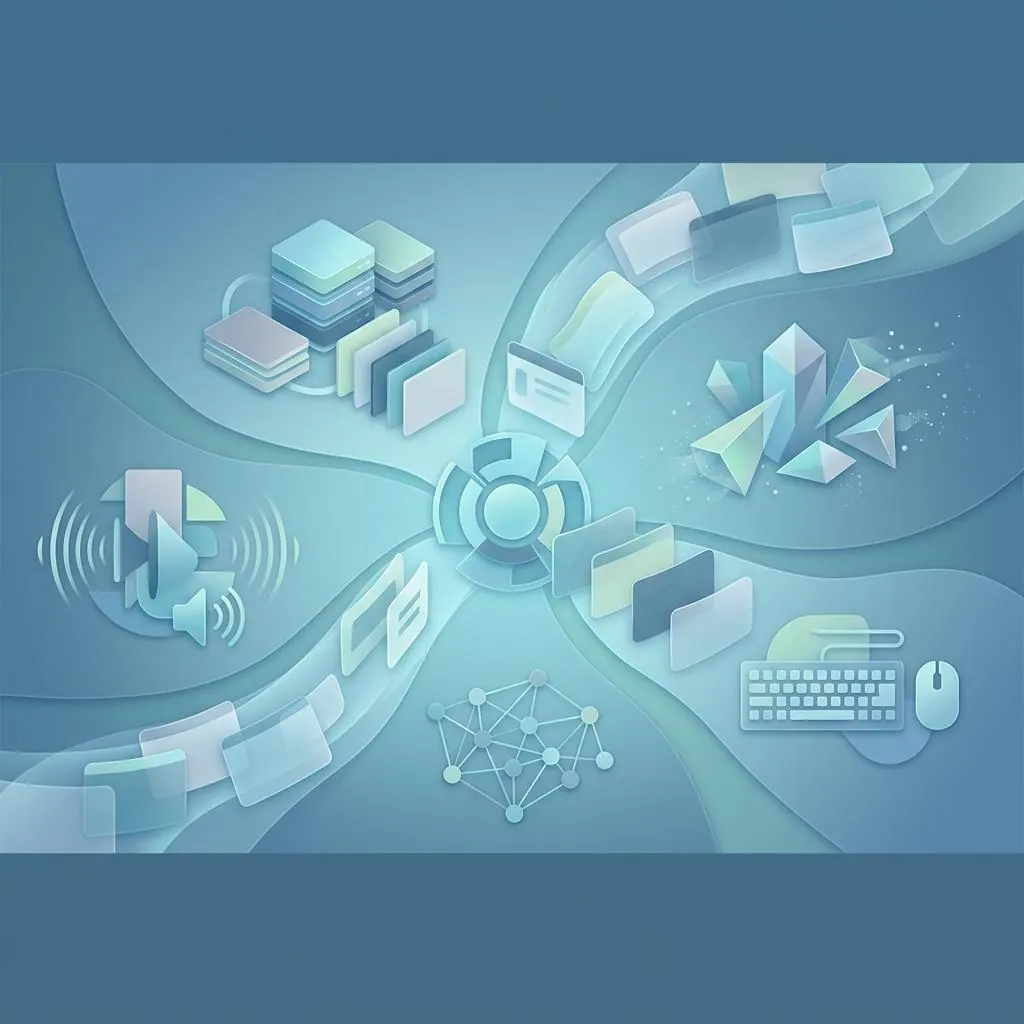
A computer update is component-scoped
A computer does not have one universal driver. Platform controllers, storage, graphics, audio, networking, input, and peripheral interfaces each have their own identity and software boundary. An update record therefore needs a named component, not only a computer brand or a general promise that the machine is current.
Identity and package records
A useful driver record can include a device instance, hardware identifier, provider, architecture, host interface contract, version, signing information, and release metadata. Those fields describe a package relationship. They do not prove that a package is active, that firmware changed, or that every component in the computer shares the same release.
Compatibility belongs to a relationship
A device identifier, revision, host interface contract, architecture, package declaration, signature, and board design all contribute to compatibility. A monitor or chipset reference therefore describes a relationship between a component and its host contract rather than promising that one package applies to every computer.
Selection, activation, and history
Package availability, platform matching, staging, runtime activation, and retained history are distinct lifecycle states. A package can be known to a catalog without being selected, and an older record can remain visible without being active. Keeping those states separate makes a version comparison meaningful.
Boundaries beyond the driver
Power delivery, cooling, memory, storage health, cables, permissions, applications, and network services can influence the same workflow as a driver. A reference account names the boundary being observed instead of treating every computer symptom as evidence for a package change.
Reading an update claim
Words such as current, recommended, optional, or available belong to a catalog or policy context. Compare the authority and scope of that context, the target device identity, and the package contents before treating the claim as a description of the running system.
Reference facts
- Scope
- One component or device relationship at a time
- Key records
- Identity, package, platform, trust, selection, and runtime state
- Outside the package
- Firmware, hardware condition, applications, services, and physical connections
Questions and answers
Does a system update mean every computer driver changed?
No. A computer can receive one component package, a catalog record, or a host-software change while other device relationships remain unchanged.
Is the newest visible version always the right reference?
No. Version meaning depends on the device identity, platform scope, provider, release channel, and package relationship.
Why keep firmware separate from a driver?
A driver is host-side software, while firmware runs in or near the device. Their records, trust boundaries, and lifecycle events can be coordinated without being the same object.
Further reading
- Microsoft Learn: What is a driver? — external official source
- Microsoft Learn: Driver packages — external official source
- Microsoft Learn: Driver ranking — external official source
- Microsoft Learn: Updating drivers — external official source
- Mouse driver update: input lifecycle reference — How pointing-device identity, reports, shared class support, and vendor extensions fit into a computer input stack.
- Audio driver updates: endpoint and stream reference — A descriptive map of computer audio endpoints, timed buffers, transport layers, and the boundaries around a sound package.
- Keyboard driver updates: report and class reference — How keyboard reports, shared input support, laptop-specific controls, and package identity relate across a computer keyboard stack.
- Network adapter updates: interface lifecycle reference — The device, package, interface, link, and protocol boundaries that shape a computer network-adapter update record.
- Wi-Fi driver updates: radio and interface reference — How wireless adapter identity, radio firmware, network interfaces, and package metadata meet in a computer.
- Driver update terminology: package identity reference — A neutral reference for the phrase “how to update drivers,” focused on device identity, package scope, trust, and lifecycle state.
- USB driver updates: topology and transfer reference — How USB host, hub, device, interface, endpoint, class, and package layers relate across a computer driver lifecycle.
- Driver update terminology: English reference — An English reference describing device identity, package provenance, and the limits of a blanket driver-update concept.