Laptop driver reference
Last updated:
A map of laptop driver families, platform components, package records, and state vocabulary for a portable computer.
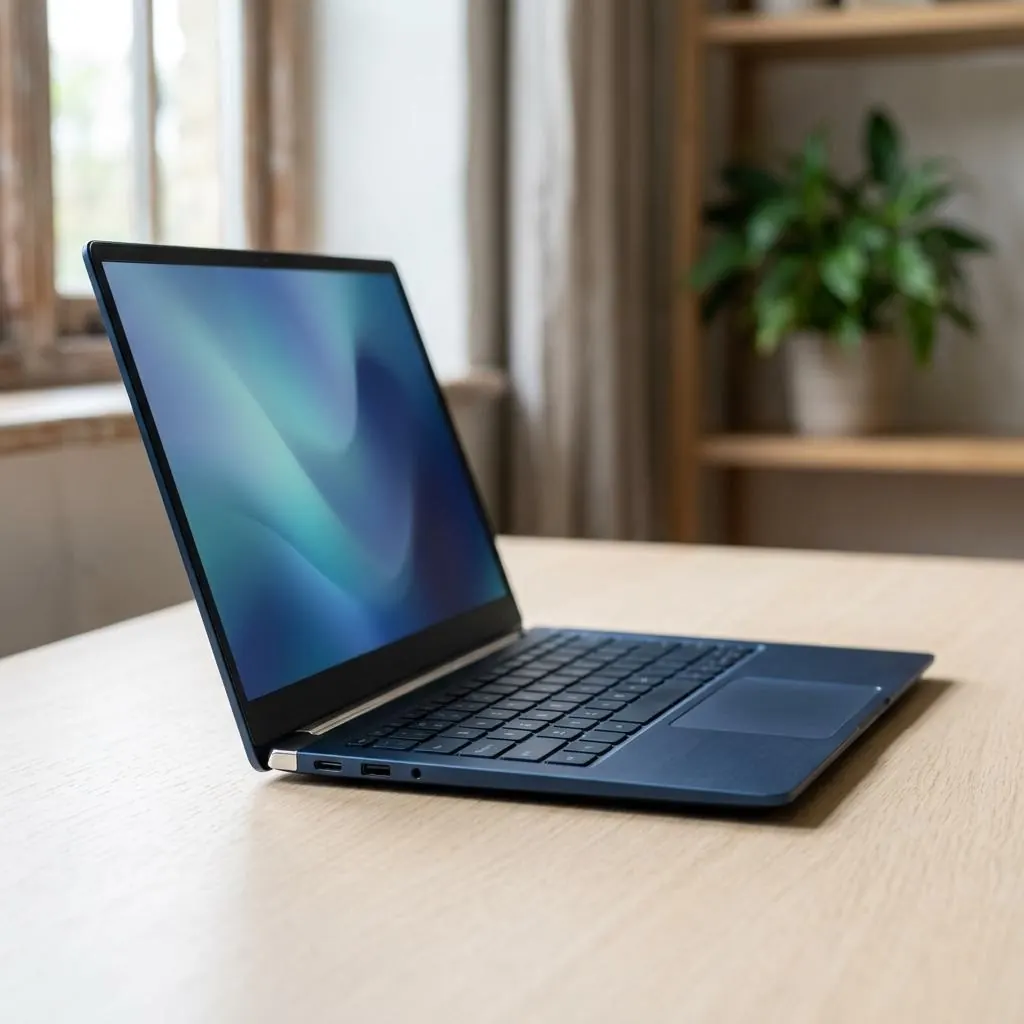
A laptop is a platform, not one driver record
A laptop brings together a board design, processor platform, embedded controller, power-management relationships, internal buses, firmware, and host interfaces. The word laptop describes the product context; it does not identify one package, one device node, or one version.
Everyday work crosses that compact platform in visible ways. Opening the lid can bring an internal display, keyboard, touchpad, wireless adapter, audio codec, and battery controller into related power states. The processor and memory handle active work while storage, cameras, speakers, and sensors remain separate device relationships behind the same thin enclosure.
Component families have different boundaries
Display, audio, wireless, keyboard, touchpad, storage, chipset, camera, sensor, and power functions can each have their own device identity and package relationship. Some share a controller or platform service, but a shared enclosure does not make their lifecycles interchangeable.
A built-in touchpad may communicate through an embedded controller while an external mouse uses USB or Bluetooth. The internal panel can follow a graphics path that differs from an external monitor connected through a dock, and a headset can add playback and capture endpoints without becoming part of the laptop’s internal codec. These examples show why physical proximity does not define software ownership.
Read package and runtime records separately
A package record can describe identifiers, files, catalogs, architecture, and platform scope. Runtime records can describe enumeration, selection, activation, power, interface exposure, or endpoint state. Each observation is most useful when its owner and boundary remain visible.
For example, a battery indicator describes a power-related interface, a device record identifies a controller, and firmware belongs to code stored near a board or component. A dock can add display, audio, network, storage, and power relationships while the laptop retains its own internal records. A package presence or version therefore cannot, by itself, describe charging, screen output, radio association, or every connected accessory.
Use the hierarchy to choose the right subject
The four laptop topic groups separate package transitions, Wi-Fi and network relationships, internal input, and cross-component state vocabulary. Their child pages preserve narrower subjects such as a Wi-Fi package replacement or a driver version record, while related computer, audio, and display references cover shared layers without duplicating them.
This organization helps a reader name the hardware relationship before interpreting a record. A keyboard and touchpad topic concerns internal input paths, a wireless topic concerns an adapter, radio, interface, and link, and a display topic concerns graphics and monitor paths. Cross-family links point to shared explanations while the laptop overview supplies the portable-platform context around them.
Reference facts
- Platform scope
- A laptop joins board design, buses, firmware, embedded controllers, power relationships, and host interfaces in one portable enclosure.
- Functional families
- Display, audio, network, input, storage, chipset, camera, sensor, and power functions keep separate component boundaries.
- State vocabulary
- Enumerated, matched, selected, active, powered, exposed, and endpoint records describe different stages or owners.
Questions and answers
Does a laptop model name identify every required driver package?
No. A model name is product context. Component identifiers, hardware revisions, host interface scope, package declarations, and platform relationships define the more precise boundaries for its internal and connected hardware.
Why are some laptop topics related to computer, audio, or display pages?
Laptop components use the same broader driver layers as other computers. A cross-family link points to the shared subject while this family describes the portable-platform context, integrated parts, battery relationships, and dock connections around it.
Is firmware part of a host driver package?
Not by definition. Device or board firmware and host packages can cooperate, but they have different owners, storage locations, version records, and lifecycle boundaries. A laptop’s embedded controller is therefore a related platform component, not automatically part of every host package.
Further reading
- Microsoft Learn: What is a driver? — external official source
- Microsoft Learn: Overview of device and driver installation — external official source
- Microsoft Learn: Driver packages — external official source
- Microsoft Learn: Plug and Play — external official source
- Laptop driver lifecycle reference — How laptop hardware identity, platform components, package records, and runtime interfaces change across a device lifecycle.
- Laptop Wi-Fi and network driver reference — The adapter, radio, firmware, network interface, and package layers behind laptop wireless connectivity.
- Laptop keyboard and touchpad driver reference — How internal input devices, embedded controllers, HID reports, class layers, and platform services meet in a laptop.
- Laptop driver state reference — A shared vocabulary for laptop device presence, package selection, runtime activation, power, and interface exposure.