Laptop driver lifecycle reference
How laptop hardware identity, platform components, package records, and runtime interfaces change across a device lifecycle.
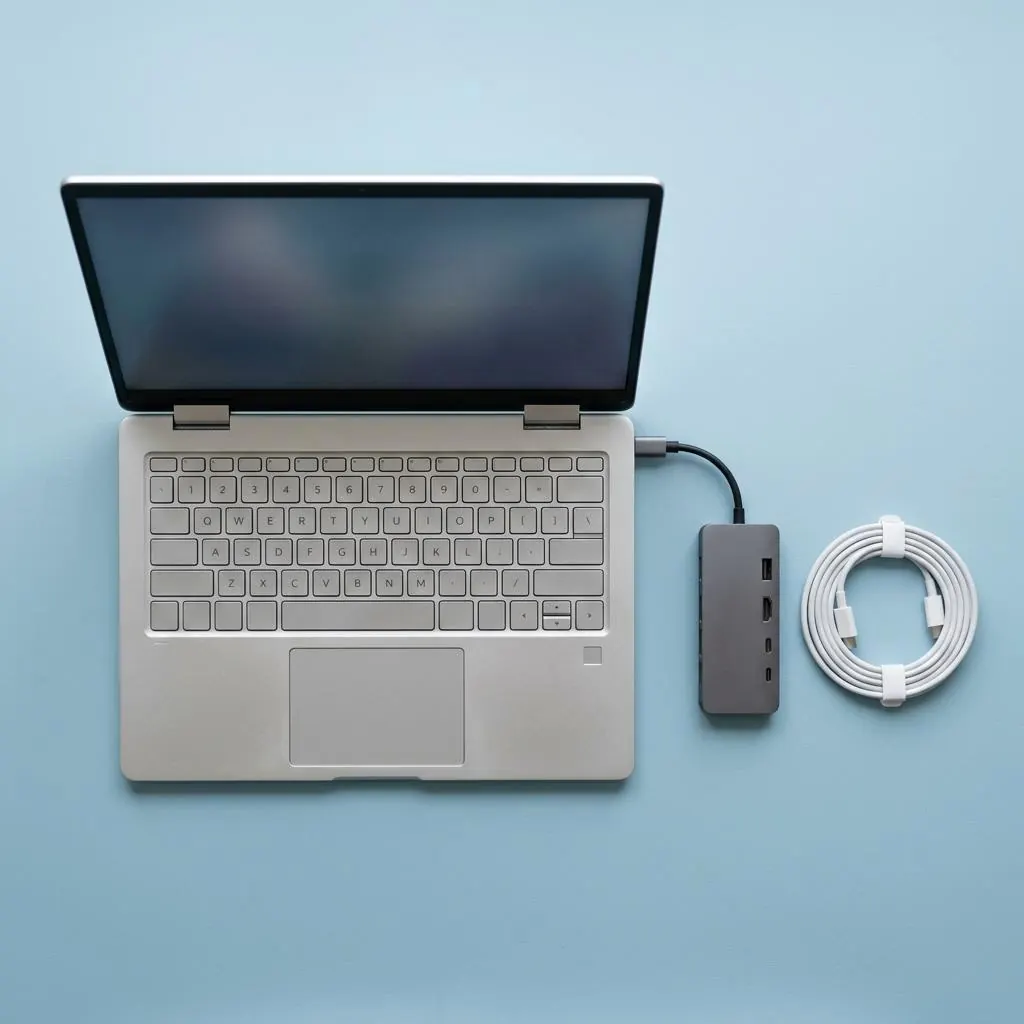
Laptop drivers sit inside a platform design
A laptop combines integrated devices, embedded controllers, buses, power states, firmware, and host interfaces in a compact platform. A driver package usually describes one function or component within that design. The laptop product name is a useful heading, not a complete package identity.
Lifecycle begins with identity
Enumeration, hardware identifiers, platform declarations, and package matching establish which software relationship can represent a device. Internal devices can be exposed through buses, firmware tables, embedded controllers, or platform-specific interfaces, so identity may be more detailed than a retail label.
Runtime behavior has several owners
A device-facing driver, class or bus layer, user-mode service, firmware component, and power-management policy can each own part of the runtime. A package version or device status therefore describes one record, not the entire laptop experience.
Lifecycle records are durable clues
Package metadata, installation history, device status, firmware identity, and interface state preserve different views of succession. Reading each by its owner makes a laptop reference useful without turning a page into a procedure or a model-specific claim.
Reference facts
- Platform elements
- Integrated devices, buses, embedded controllers, firmware, and services
- Lifecycle states
- Enumerated, matched, selected, active, and retained records
- Identity boundary
- Platform and component declarations beyond a retail product name
Questions and answers
Is one laptop driver package responsible for the whole laptop?
No. Packages usually describe a function, device, class, or related component within a larger platform design.
Why do laptop packages include platform-specific components?
Internal devices can depend on board wiring, firmware interfaces, power behavior, and embedded-controller relationships that differ between platforms.
Does a device status describe package identity?
Not completely. Device status is a runtime or installation record; package identity and firmware have separate scopes.
Further reading
- Microsoft Learn: Overview of device and driver installation — external official source
- Microsoft Learn: Driver packages — external official source
- Microsoft Learn: Plug and Play — external official source
- Laptop driver update decision reference — How to describe a laptop driver transition by component scope, platform identity, package declarations, and dependent runtime records.
- Laptop driver package selection and lifecycle — How laptop package declarations, matching, ranking, staging, and activation relate across integrated components.
- Laptop driver update state reference — A vocabulary for candidate packages, selected components, runtime activation, and retained records on a laptop.