Microphone device detection and permissions reference
The distinct layers of microphone identity, capture endpoints, application access, and audio stream state.
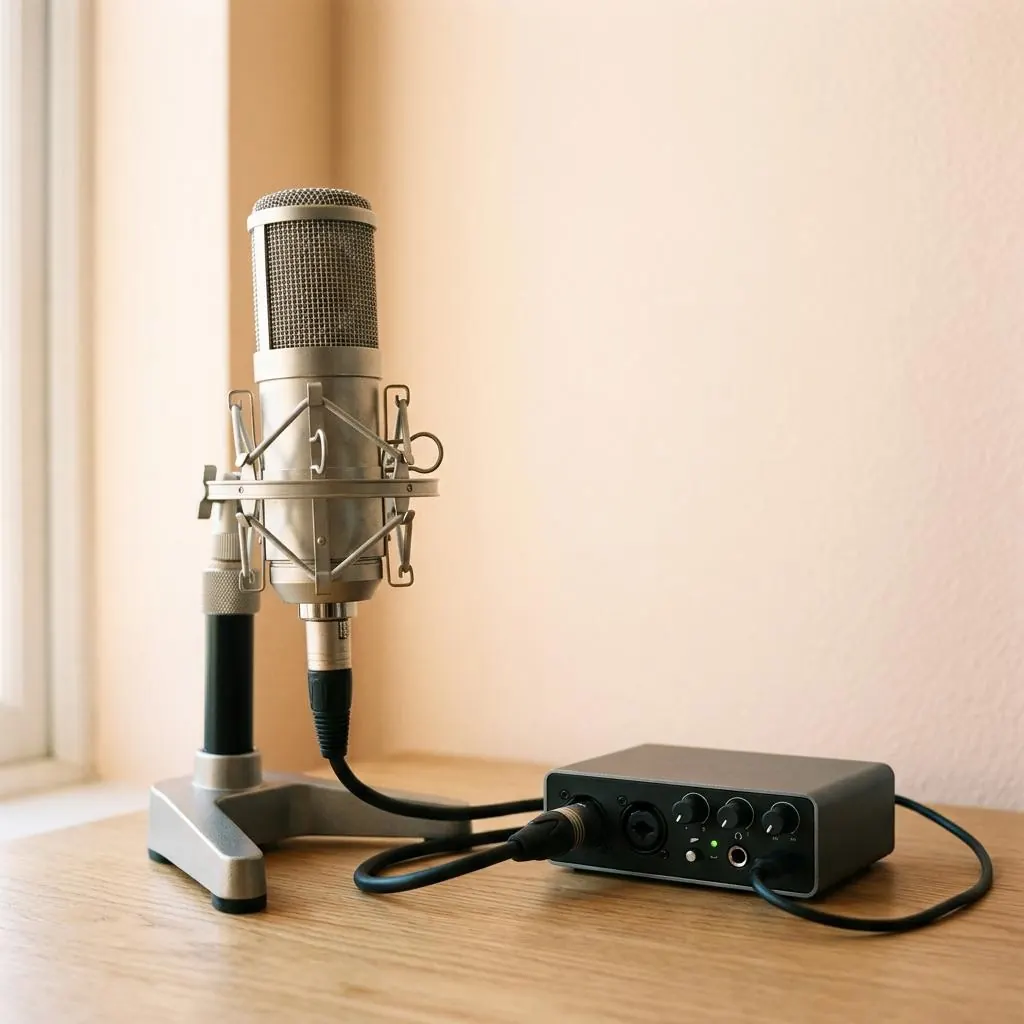
A microphone is a capture path
The physical microphone produces an input signal, while the host represents a controller, codec, USB or Bluetooth interface, capture endpoint, and stream. “Microphone detected” can refer to different layers, so the subject of a status statement matters.
Detection and publication differ
A bus or device layer can enumerate an interface before the audio subsystem publishes a capture endpoint. Endpoint publication can then depend on topology, package metadata, policy, and device state. These stages are related but not interchangeable.
Permissions belong to the application boundary
A host audio stack can represent a capture endpoint while separately applying privacy or application-access policy. Permission state is not a hardware identifier, package version, or driver state. It is a policy relationship between an application or user context and a capture capability.
Streams add another boundary
A capture stream has a format, channels, timing, and lifecycle independent of endpoint publication and permission records. A reference keeps device, endpoint, policy, and stream observations separate so a label is not mistaken for a cause.
Reference facts
- Capture layers
- Microphone, interface, endpoint, policy, and application stream
- Permission owner
- Privacy or application-access policy
- Stream fields
- Format, channels, timing, and session lifecycle
Questions and answers
Does a visible microphone endpoint mean an application can use it?
Not necessarily. Endpoint publication and application permission are separate records.
Is microphone permission part of the driver package?
No. Permission is a privacy or application-access policy relationship; package metadata describes software and device identity.
Can a microphone be enumerated without a capture endpoint?
Yes. Enumeration, audio topology, endpoint publication, and stream creation are distinct stages.