Audio output and device state reference
A vocabulary for playback endpoints, device topology, stream state, and the boundaries around an audio output.
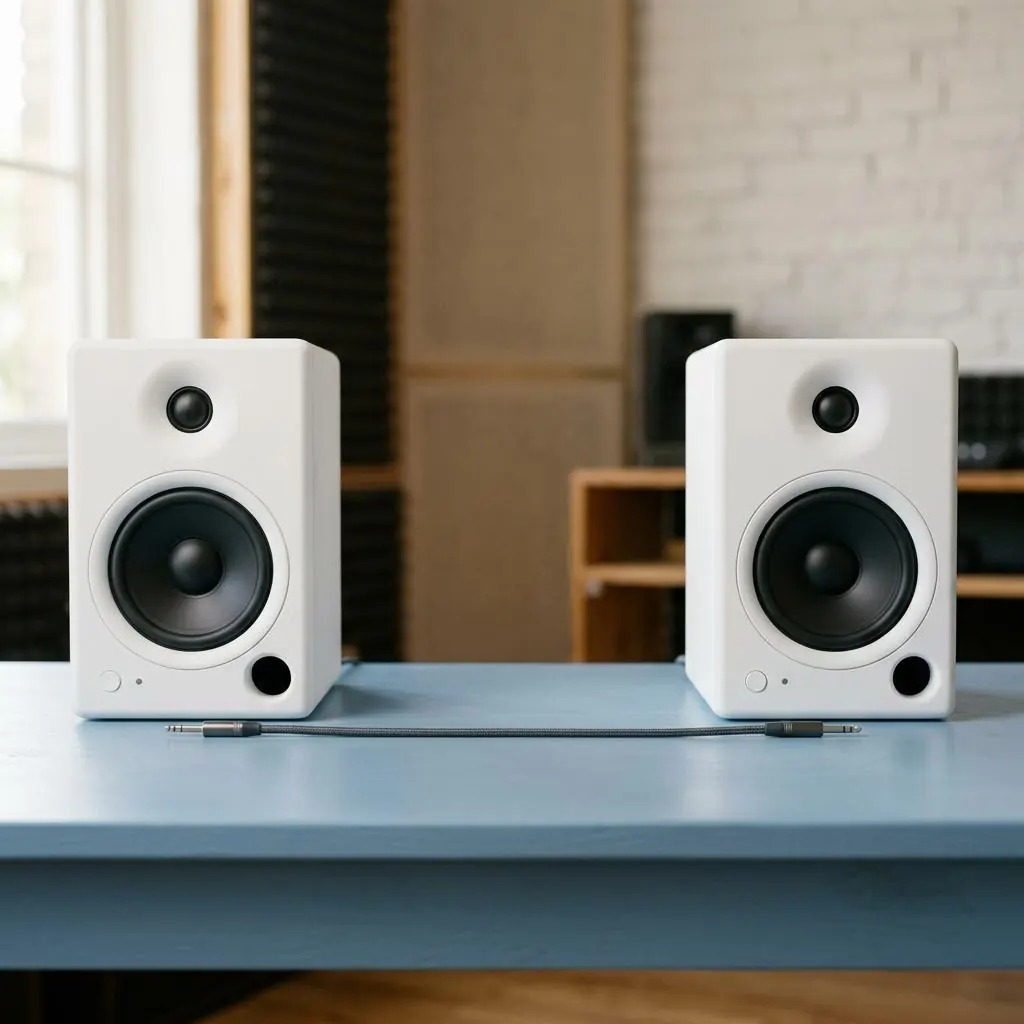
Output is an endpoint abstraction
An audio output endpoint represents a logical destination for a stream. It can correspond to internal speakers, a headset path, a display connection, a USB device, or another sink. The endpoint’s name and state belong to the host audio model, not directly to the physical transducer.
Topology explains relationships
Audio topology describes nodes, connectors, controls, and paths inside or around a device. It can reveal that several endpoints share a controller or that a jack, amplifier, and speaker are related. Topology is a structural description, while endpoint state is a runtime-facing representation.
Streams have their own state
A stream has a format, timing, channel arrangement, and lifecycle independent of the endpoint’s existence. A stream can be opened, negotiated, running, paused, or closed while an endpoint remains represented. This distinction keeps stream state separate from package and hardware identity.
State words need an owner
Terms such as default, active, available, disabled, or disconnected can refer to policy, endpoint, device, transport, or physical conditions. A careful reference names the owner of the state before drawing a relationship between two observations.
Reference facts
- Endpoint examples
- Speakers, headsets, display audio, USB audio, and other sinks
- Topology
- Nodes, connectors, controls, and paths
- Stream fields
- Format, timing, channels, and lifecycle state
Questions and answers
Is “default output” a hardware property?
Usually it is a routing policy or endpoint selection, not a permanent property of the physical hardware.
Can an output endpoint exist with no active stream?
Yes. Endpoint representation and stream activity are separate states.
Does output state identify the driver version?
No. Endpoint state and package identity are different records with different owners.
Further reading
- Microsoft Learn: Core Audio APIs — external official source
- Microsoft Learn: Device topology — external official source
- PC speaker audio output state reference — How internal speaker paths, audio endpoints, topology records, and stream state relate on a computer.
- PC headset audio output state reference — The playback, capture, jack, transport, and endpoint concepts behind a computer headset path.
- Audio post-update state reference — What can change across an audio package transition: identity, endpoints, topology, policy records, and stream contracts.
- HDMI audio state reference — The display-transport, audio endpoint, capability, and stream layers that can meet across an HDMI path.