Laptop driver compatibility reference
How laptop platform design, device identifiers, package declarations, firmware, architecture, and interfaces establish compatibility.
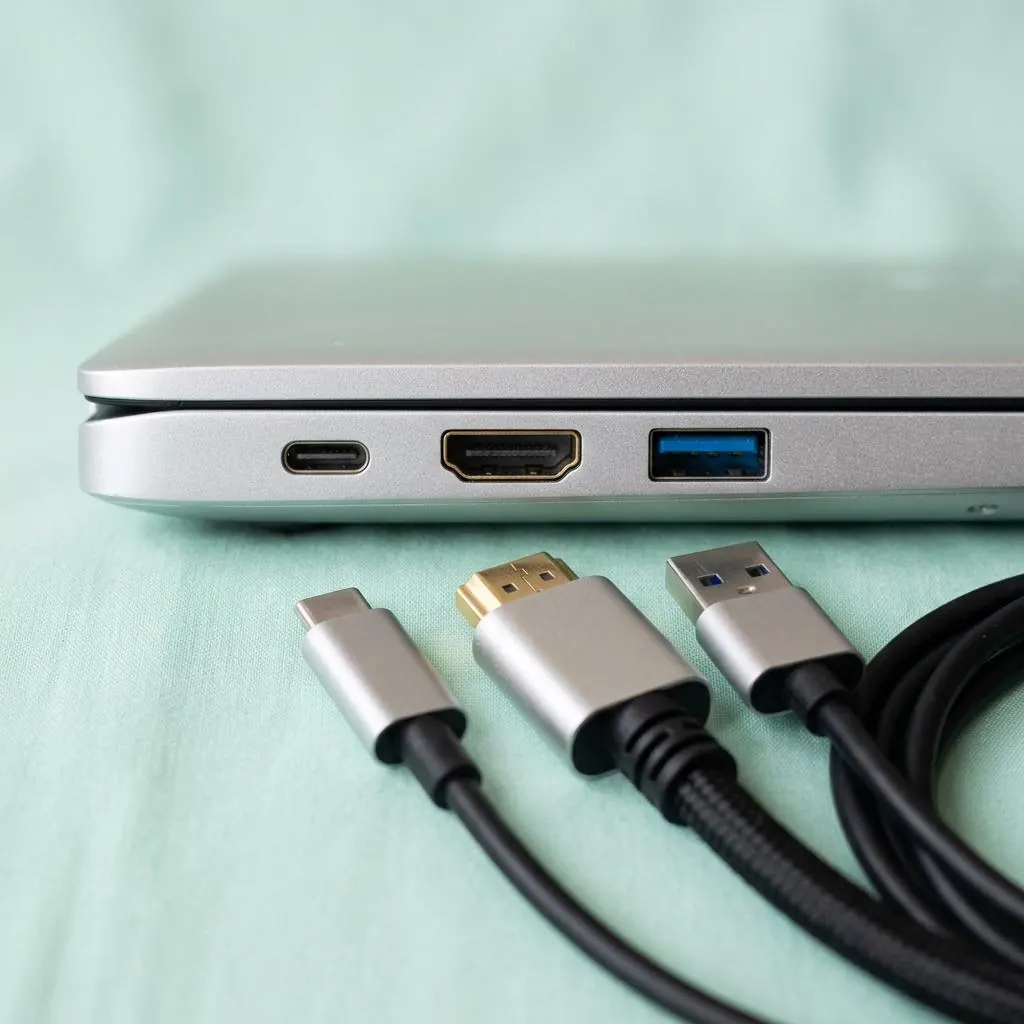
Compatibility is contextual
A laptop package is compatible within a relationship among hardware identity, platform architecture, host interface contract, firmware assumptions, and package declarations. A product family name is only one clue and can cover several revisions or internal designs.
Integrated hardware needs precision
Internal audio, wireless, input, display, and controller functions can rely on buses, embedded controllers, power states, and firmware interfaces. Two laptops that look similar can expose different identifiers and topology. A neutral reference should not invent a component model from a family name.
Package declarations express boundaries
Information files, catalogs, extension metadata, and version fields identify the devices and platforms a package describes. Those declarations can be broad or narrow. A broad package class does not promise identical optional features across every laptop.
Runtime compatibility is another layer
A package can match an identity while a runtime component, service, interface, or power relationship has its own contract. Matching and runtime behavior are related but not interchangeable. Compatibility language is strongest when it states which layer is meant.
Reference facts
- Compatibility inputs
- Hardware, platform, architecture, firmware, identifiers, and declarations
- Laptop variables
- Bus, topology, embedded controller, power, and internal revisions
- Distinct stages
- Matching, selection, activation, and runtime interface contract
Questions and answers
Does a laptop family name prove compatibility?
No. Device identifiers, revisions, architecture, platform scope, and package declarations provide the relevant boundary.
Can a package match while an optional feature differs?
Yes. A package can describe a broad device relationship while optional hardware or services vary by configuration.
Is matching the same as runtime compatibility?
No. Matching is a declaration relationship; runtime components and interfaces have additional contracts.