HP printer package lifecycle reference
Independent educational content. Driver Atlas is not affiliated with or endorsed by HP. Product names and trademarks belong to their owners.
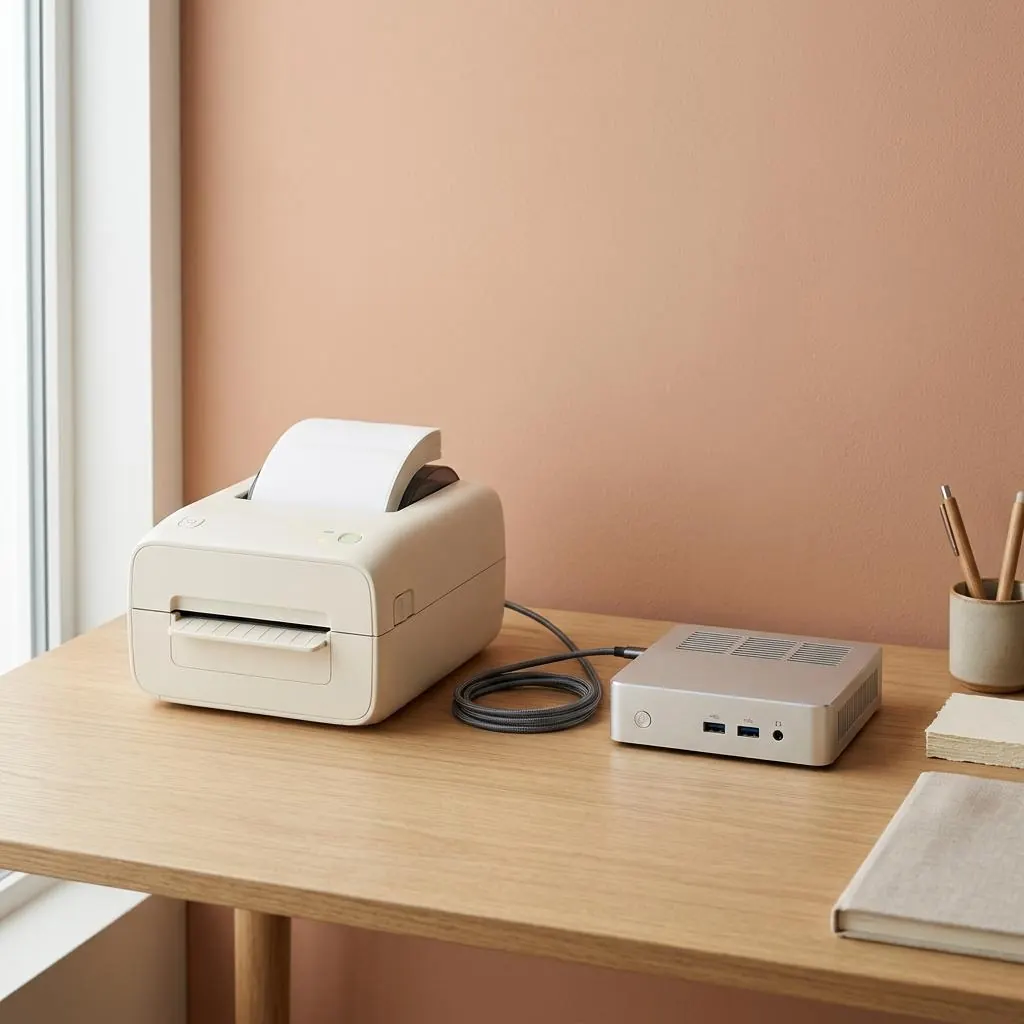
A conceptual view of how an HP printer package moves from identity and discovery to an established print interface.
Lifecycle phases
A printer package lifecycle can be described as identity, selection, registration, interface creation, capability exposure, and later replacement or retirement. These phases name relationships in the software stack; they are not a setup recipe.
Discovery and registration
Discovery supplies a candidate device identity through a local port, network protocol, or service. Registration associates that identity with a print queue or interface representation. A package can contribute metadata without controlling the underlying transport.
Capabilities after association
Once a print interface exists, host software can expose declared paper handling, color, rendering, or status concepts. The visible set depends on the package, protocol, and model’s own declarations rather than on the HP name alone.
Changes over time
A replacement package creates a new version or component relationship, while retirement removes an old relationship from the supported lifecycle. Documentation should make those transitions explicit and should not imply that one package applies to every HP product.
Reference facts
- Lifecycle vocabulary
- Identity, discovery, registration, capability exposure, replacement, retirement
- Connection boundary
- Discovery and transport remain distinct from package metadata
- Scope
- HP package concepts, not a setup walkthrough
Questions and answers
Does setup mean the same thing as installing a driver?
No. Setup can include discovery, queue creation, connection registration, and capability exposure in addition to package association.
Is a newer package automatically compatible with every HP printer?
No. Compatibility remains a relationship among the exact model, platform, interface, and package declarations.