Laptop keyboard post-update state reference
How keyboard package records, input interfaces, platform services, and logical events can differ after a transition.
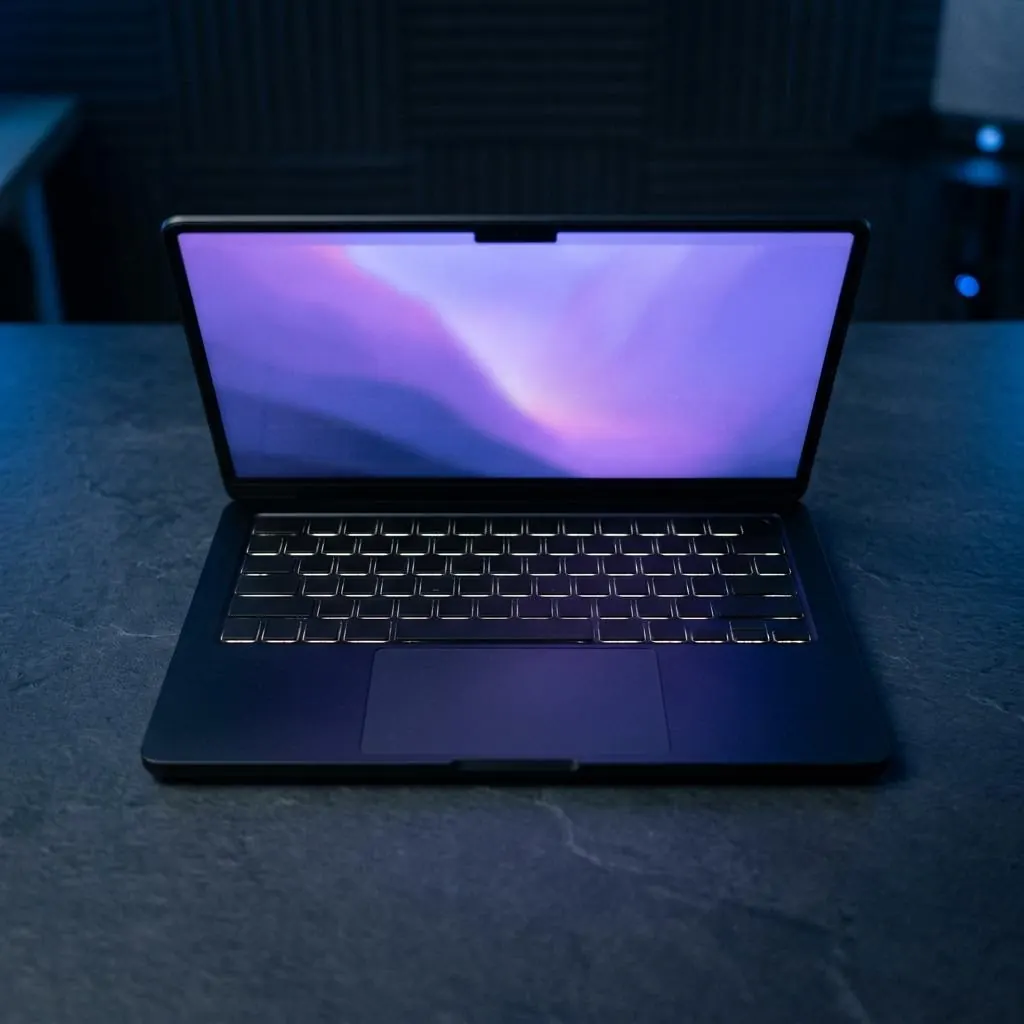
A transition can target one component
A keyboard-related update may concern a controller, HID interface, class component, platform extension, or service. The laptop’s physical keys and firmware identity can remain unchanged while a host-side relationship changes. The scope is set by the package and interface records.
Logical input can outlive package change
Host input software can preserve a logical keyboard representation while its backing package or service transitions. Conversely, a change in host records can recreate a logical device without changing the physical surface. These are separate observations.
Optional controls add state
Special keys, LEDs, touch surfaces, and platform controls can use companion interfaces that do not own basic key delivery. Their state and versions can change independently of the standard keyboard class path.
Compare the same owner
A meaningful before-and-after comparison pairs package metadata with package metadata, HID descriptors with HID descriptors, and logical input state with logical input state. This prevents a package transition from being mistaken for a change in every input layer.
Reference facts
- Possible update scope
- Controller, HID, class, extension, or companion service
- Stable objects
- Physical keys and firmware can remain distinct
- Comparison rule
- Pair records with the same owner and boundary
Questions and answers
Does an input package update change the physical keyboard?
No. It changes host software or metadata; physical hardware and firmware have separate identities.
Can special keys change independently?
Yes. Optional controls may be owned by a service or extension separate from standard key input.
Does a logical keyboard name prove package identity?
No. Logical device labels and package records are different layers.