Monitor package lifecycle reference
How monitor metadata, identification records, display modes, and graphics package relationships change across a lifecycle.
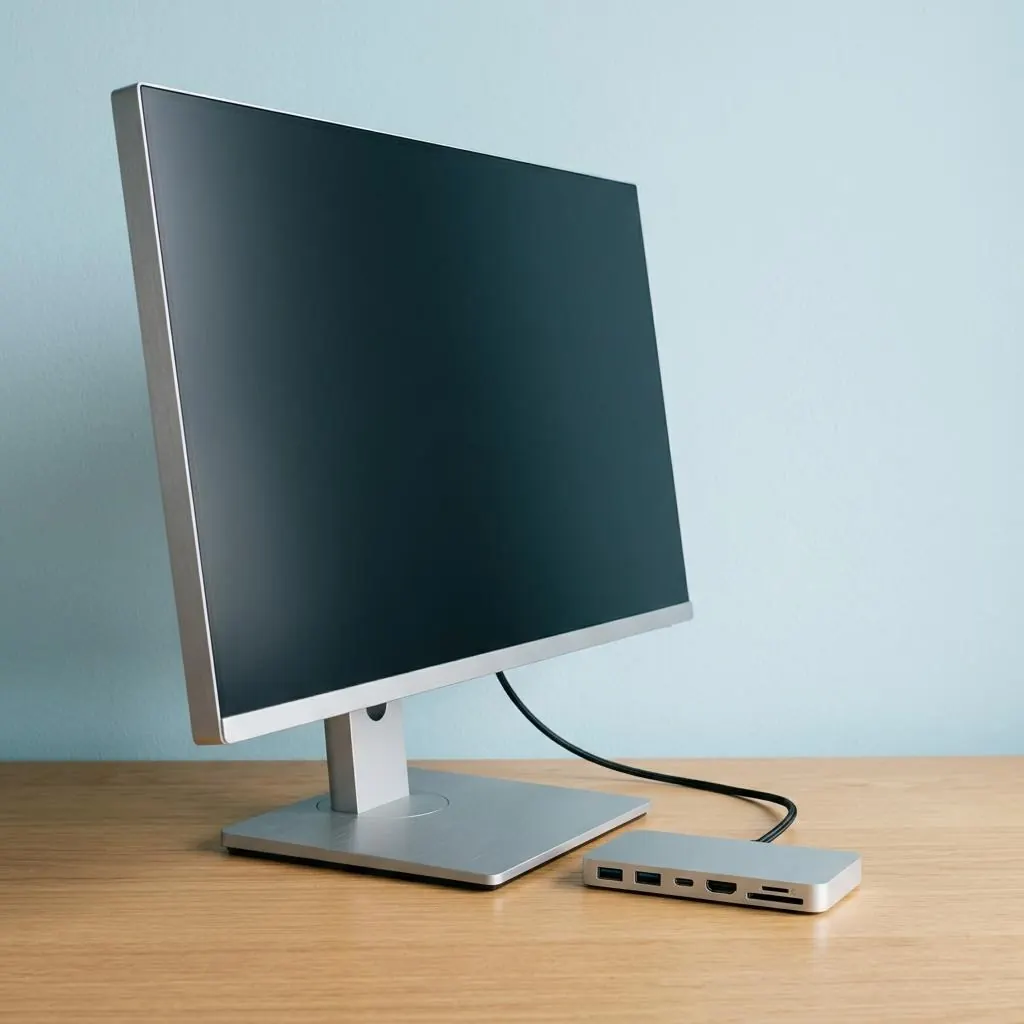
Monitor records describe the sink
A monitor package or INF-style record can provide identity and capability metadata used by the display subsystem. It does not replace the graphics driver, define the physical panel’s entire design, or represent the connector as a host device.
Identification can be refreshed
Display detection and capability reads can establish or update monitor records as a path is represented. The record’s lifecycle is therefore connected to the display path while remaining distinct from graphics package installation and GPU runtime state.
Mode lists are derived relationships
Available modes can reflect monitor capability data, graphics adapter support, connector constraints, timing rules, and policy. A monitor record contributes to that list but does not single-handedly define every mode exposed to an application.
Package identity remains narrow
When documentation names a monitor package, identify whether it means metadata, an INF record, a catalog, or a graphics component. Those labels have different roles and should not be merged into a generic promise about display compatibility.
Reference facts
- Package role
- Monitor identity and capability metadata within the display model
- Related records
- Detection, connector, GPU, graphics package, and mode list
- Scope
- Monitor description, not complete graphics runtime behavior
Questions and answers
Is a monitor package the same as a GPU package?
No. Monitor metadata and graphics adapter components have separate roles and identities.
Does a monitor record determine every available mode?
No. Modes reflect a relationship among monitor, adapter, connector, timing, and hardware records.
Can a monitor record exist without a unique package?
Yes. Generic host behavior can represent a display without a separate custom package record.