Audio driver package replacement lifecycle
What package replacement means for audio components, endpoint relationships, retained records, and runtime activation.
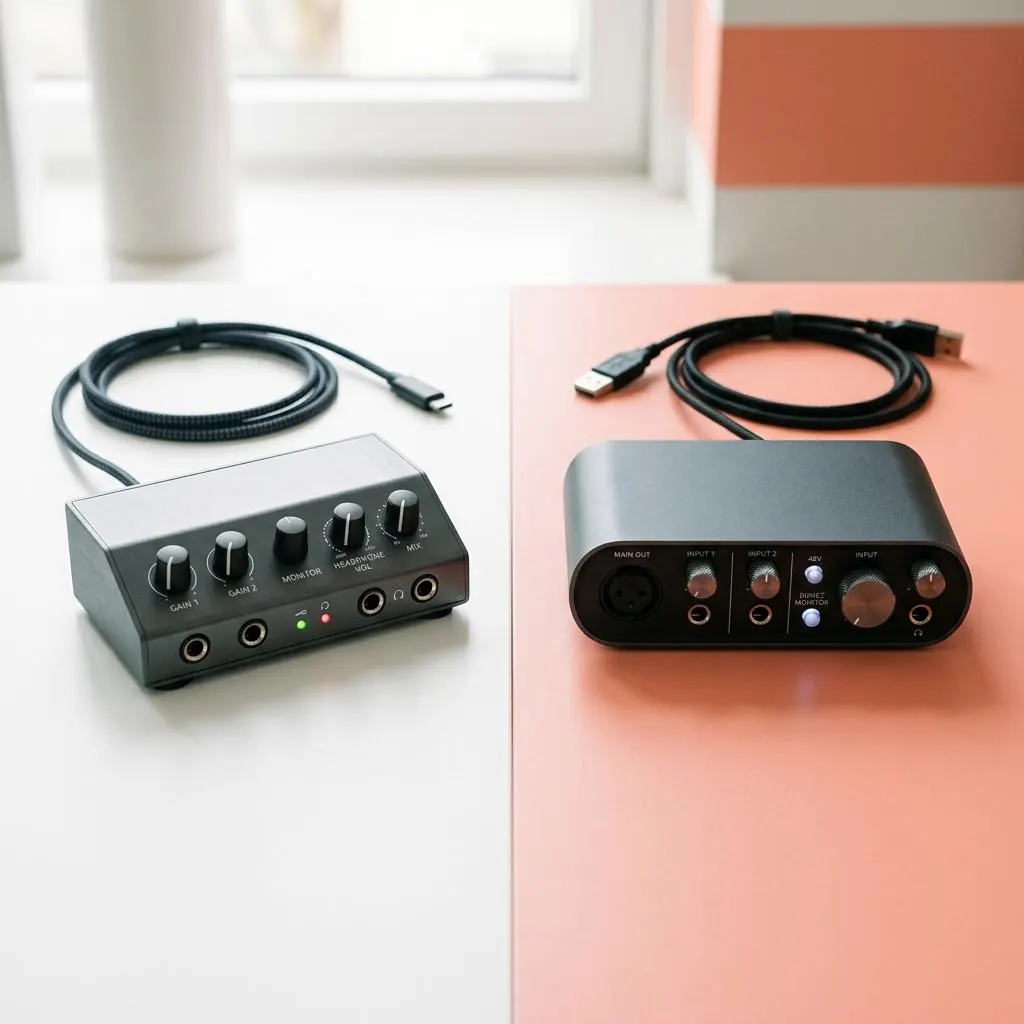
Replacement concerns package identity
Audio package replacement is a lifecycle transition from one package record to another. The package can include a function driver, extension, service, catalog, and metadata. Replacing that record is distinct from changing an application’s stream, the physical topology, or device firmware.
Coordinated components have boundaries
A vendor package may coordinate several audio components while each retains a different runtime role. A controller component can communicate with hardware, an extension can describe hardware integration behavior, and a service can expose controls. Replacement language should name the component set it covers.
Endpoint publication can be retained
Logical endpoints may be generated from device identity and topology records that outlive a package transition. Conversely, a change in topology metadata can alter endpoint representation without changing the physical product. Package and endpoint histories therefore should not be collapsed.
Activation follows selection
Package records can be available, matched, selected, staged, and active at different moments. The word replacement describes the relationship between package records; it does not promise a particular runtime state or application outcome.
Reference facts
- Replacement object
- A package record or coordinated component set
- Separate lifecycles
- Endpoint, stream, topology, firmware, and package state
- Activation
- A runtime relationship after selection and staging
Questions and answers
Does package replacement change the physical audio topology?
No. It can change how software describes or exposes a topology, while the physical components remain the same.
Are all files replaced at once?
Package components can have different roles and lifetimes. Documentation must define which files or components are in scope.
Is a replaced package necessarily active?
No. Package availability, selection, staging, and runtime activation are distinct states.